One of the more interesting, and possibly controversial, inclusions with the Final Fantasy XIV TTRPG starter set is a set of four double-sided cards (printed on heavy duty card stock). One side of the cards is the identical, containing a detailed rules summary. On the other side is a strategy guide for each of the pregens included with the boxed set.
The reason I think these may be to be controversial to some players is that FF XIV comes from a very different space than many (most?) tabletop RPGs, in which characters have a suite of skills or attributes but it’s up to the players to determine how and where they are used.
Since FF XIV has a self-proclaimed do not play to find out gameplay loop, the character sheet serves one main purpose: to list combat encounter rotations. Anything that would be considered strict storytelling or ‘role play’ is relegated to the realm of the GM guiding players towards prepared encounters.
This is a pillar of play design in FFXIV. In fact, it’s so important that it’s not listed in the FAQ, but right up front in the Gamemaster Book under the subtitle Playing The Game.

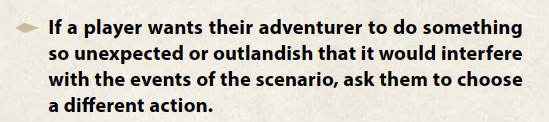
How hard these will rub against the grain for you personally depends a lot on your view of player agency. I personally prefer a game to state right up front what it’s about so I can make an informed decision as to which players I think would suit its style of play. Telling me that an RPG is a collaborative storytelling game is not helpful, nor is telling me that I can ignore any rules that conflict with how I want the game to play out without offering alternatives or explaining the potential knock-on effects of making such a decision.
Each strategy guide is divided into three sections: the top section breaks down the pregen’s primary role in combat: for tanks, it’s “shield your party from harm”; for DPS, it’s “deal damage and bring your enemies low”; for healers it’s “keep your allies hale and hearty by healing their wounds and removing enfeeblements”.
The middle section is a call-out box titled TIPS AND TRICKS that walks you through your rotations. In terms of complexity, the pregens range from white mage (least complex) to black mage (most complex). The Tips and Tricks box calls out the potential trouble spots of each job as well as reminding players that secondary abilities are often activated first since they alter the outcome of primary abilities.
The final section of each strategy guide is an FAQ, probably derived from playtesting.
CONCLUSIONS
I really like the strategy guides – for first-time players they literally walk you through best practices for combat encounters and once you know your character sheet well, there is still a rules summary on the other side, giving these cards a high replay value. Like the other components included with the game, they are very durable looking and the layout/design is fantastic.
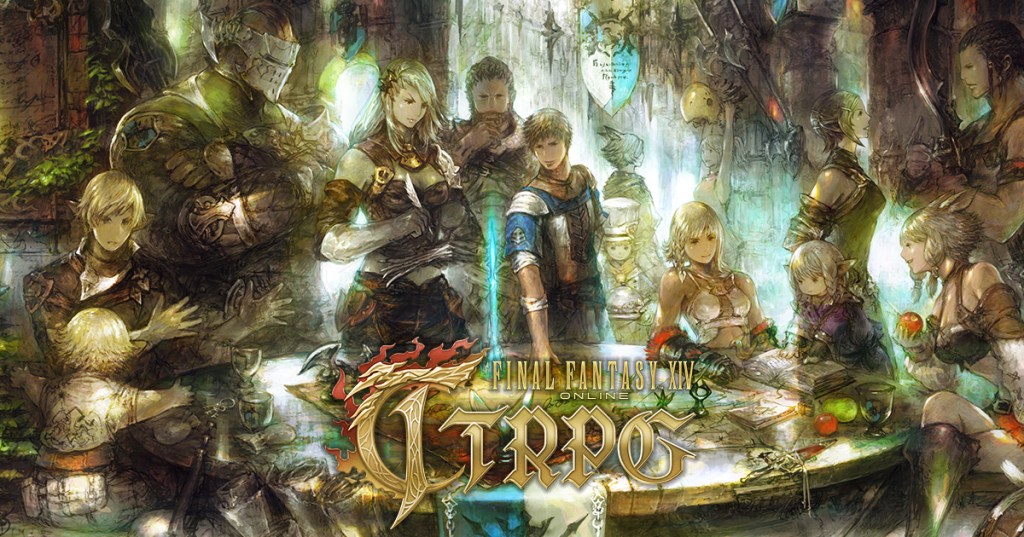
I find it amusing that the image across the top of the strategy guides is far removed from a battle scene.

Instead, it shows some sort of banquet taking place close to an aetheryte portal. I love how this game is not saying “ignore the narrative bits”, but staunchly stays in its lane by eliminating social, psychological, or awareness stats. Yes, I am aware of Vigilance. But your character will likely never make a Vigilance check!

Strangely, FF XIV is daring you to break out of the trad/f20 mindset of gating story progression behind rolls. A seemingly very simple game with some very advanced concepts are at play here – it’s easier to list 600 pages covering every edge case and potential ruling than it is to leave it up to players to resolve within their group.


 Math & Myth
Leave a comment